réussir votre examen charpentier-menuisier pdf
Understanding the Carpenter-Joiner Exam (CCQ)
Preparation resources, including eBooks from Amazon, Barnes & Noble, and Google Play, alongside specialized courses from jeancharlesfortier.com and Prof-RBQ, are readily available.
What is the CCQ Exam?
The CCQ exam, administered by the Commission de la Construction du Québec, is a comprehensive assessment for carpenters and joiners seeking qualification within the province. Passing this exam is crucial for obtaining a competency card, legally required to practice the trade. Resources like preparation courses offered by jeancharlesfortier.com and Prof-RBQ are designed to specifically address the exam’s content.
Numerous study materials, including downloadable PDFs and online resources, aim to help candidates réussir votre examen charpentier-menuisier. These resources often include practice questions, flashcards (available on platforms like Quizlet), and detailed explanations of key concepts. The exam evaluates both theoretical knowledge and practical skills, ensuring qualified professionals contribute to Quebec’s construction industry. Success hinges on thorough preparation and understanding of Quebec-specific building codes.
Exam Objectives and Scope
The CCQ exam’s objectives encompass a broad range of carpentry and joinery skills, focusing on Quebec’s construction standards. It assesses knowledge of blueprint reading, wood properties, fastening techniques, and safe tool operation. Preparation materials, including those available as PDFs and through online platforms like Prof-RBQ, emphasize these core areas.
The scope extends to framing, stair construction, window/door installation, and a thorough understanding of the Quebec Construction Code. Réussir votre examen charpentier-menuisier requires mastering these elements. Resources from jeancharlesfortier.com and practice tests aim to cover all tested competencies. The exam isn’t merely theoretical; it evaluates practical application, ensuring candidates can safely and effectively perform their duties on Quebec construction sites. Thorough study and practice are vital for success.
Target Audience: Who Needs to Pass?
The CCQ Carpenter-Joiner exam is mandatory for individuals seeking to obtain a competency card allowing them to work legally as a carpenter-joiner in Quebec. This includes apprentices completing their training, experienced workers needing to validate their skills, and those seeking to upgrade their qualifications. Resources like preparation courses from Prof-RBQ and study materials, often available in PDF format, cater to this diverse audience.
Passing the exam is crucial for anyone intending to engage in carpentry or joinery work regulated by the Commission de la construction du Québec (CCQ). It ensures a standardized level of competence and adherence to Quebec’s construction regulations. Individuals utilizing resources from jeancharlesfortier.com are also preparing to meet these requirements, demonstrating a commitment to professional standards.
Exam Preparation Resources
Numerous resources, including downloadable PDFs, online tests from Prof-RBQ, and books from major retailers, are available to aid in successful exam preparation.
Official CCQ Documentation
Accessing the official documentation from the Commission de la Construction du Québec (CCQ) is paramount for exam success. While a direct “réussir votre examen charpentier-menuisier pdf” isn’t explicitly offered by the CCQ, their website provides crucial information regarding the exam’s content and structure.
Candidates should thoroughly review the CCQ’s competency requirements, regulatory updates, and any published guides related to the carpenter-joiner trade. These resources detail the specific skills and knowledge assessed during the examination. Furthermore, exploring related documents on construction codes and safety regulations, as referenced in preparatory materials, is highly recommended.
Though a single comprehensive PDF may not exist, compiling relevant documents from the CCQ website forms a vital foundation for effective study.
Recommended Textbooks & Study Guides
While a dedicated “réussir votre examen charpentier-menuisier pdf” might be elusive, several resources can significantly aid preparation. Google Books lists options like “Réussir votre examen– charpentier-menuisier,” available through Amazon, Barnes & Noble, and Books-A-Million; These guides likely cover essential carpentry and joinery principles, aligning with CCQ exam objectives.
Supplementing these with general carpentry textbooks focusing on framing, stair construction, and blueprint reading is beneficial. Look for materials covering Quebec-specific construction practices and the provincial building code.
Consider study guides designed for trade qualification exams, focusing on practical application and problem-solving. Combining these resources provides a comprehensive learning experience.
Online Practice Tests and Quizzes
Prof-RBQ offers a robust online platform specifically designed for CCQ charpentier-menuisier exam preparation. Their system provides 24/7 access to multiple-choice questions (QCM) and digital flashcards, optimized for mobile devices, simulating the actual exam environment. This is a key resource for assessing your readiness.
Quizlet hosts user-created flashcards categorized as “Pratique examen CCQ : Charpentier-menuisier GRATUIT,” covering menuiserie, charpente, and assemblage. While not a comprehensive test suite, it’s valuable for reinforcing key concepts.
Searching for “réussir votre examen charpentier-menuisier pdf” may reveal links to practice questions, though verifying their accuracy and relevance is crucial.
Flashcard Resources for Key Concepts
Quizlet provides a readily accessible, free resource: “Pratique examen CCQ : Charpentier-menuisier GRATUIT Flashcards.” These digital flashcards focus on essential terminology and concepts within carpentry, joinery, and assembly techniques – crucial for exam success; They offer a quick and effective method for memorizing definitions and procedures.
Prof-RBQ’s online preparation platform also incorporates flashcards as part of its comprehensive study system, accessible 24/7 on mobile devices; This integrated approach allows for consistent review.
A search for “réussir votre examen charpentier-menuisier pdf” might yield downloadable flashcard sets, but always verify the source and content accuracy before relying on them.

Core Carpentry & Joinery Knowledge Areas
Mastering blueprints, wood properties, fastening, and tool usage are fundamental, as highlighted in preparation materials like those found through PDF resources online.
Reading and Interpreting Blueprints
Blueprint comprehension is crucial for success on the CCQ exam. Preparation materials, often available as PDFs, emphasize the ability to accurately decode architectural and structural plans. This includes understanding symbols, scales, and dimensions used in construction drawings. Candidates must be proficient in identifying various components – walls, floors, roofs, and specific carpentry details – as represented on blueprints.
Resources like practice exams and study guides, frequently found online in PDF format, provide opportunities to hone these skills. Familiarity with standard blueprint conventions is essential, allowing for precise interpretation and accurate execution of construction tasks. Mastering this area directly translates to improved performance on the practical and theoretical components of the CCQ assessment.
Wood Types and Properties
A solid understanding of wood characteristics is fundamental for any aspiring carpenter-joiner preparing for the CCQ exam. Study materials, often available as downloadable PDFs, detail the properties of various wood species commonly used in Quebec construction – including softwood like spruce and pine, and hardwoods like maple and oak;
These resources emphasize recognizing wood grain, density, strength, and resistance to moisture. Knowing how different woods react to fasteners, adhesives, and finishing techniques is vital. Preparation guides, including practice questions in PDF format, test your ability to select the appropriate wood for specific applications, ensuring structural integrity and longevity. Mastery of this knowledge is key to passing the CCQ assessment.
Fastening Techniques (Nails, Screws, Adhesives)
Proficiency in fastening methods is crucial, and CCQ exam preparation PDFs heavily emphasize this area. Candidates must demonstrate knowledge of various nail types – common, box, finishing – and their appropriate applications. Screw selection, considering head types, materials, and lengths, is also vital. Understanding adhesive properties, including bonding strengths and suitability for different wood types and environmental conditions, is essential.
Study materials often include diagrams and practical examples. Practice exams in PDF format assess your ability to choose the correct fastener for a given joint, ensuring structural soundness and adherence to Quebec construction standards. Mastering these techniques is paramount for success on the CCQ exam.
Hand Tools and Power Tools
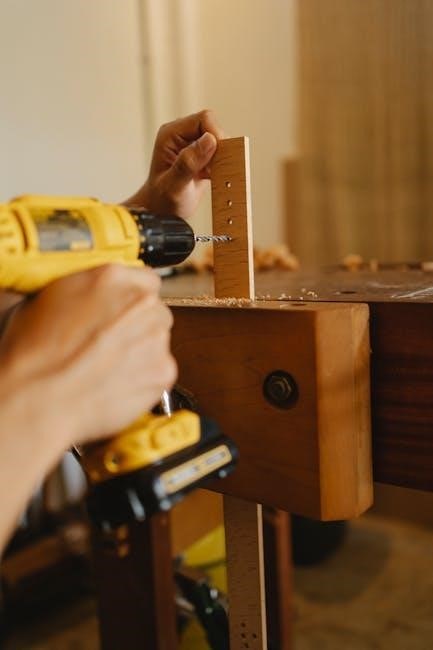
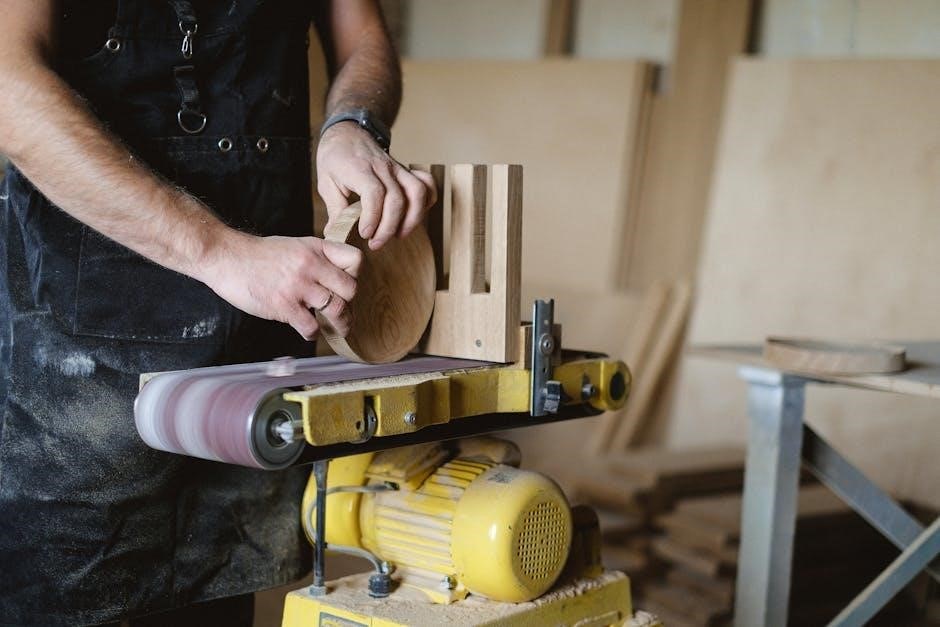
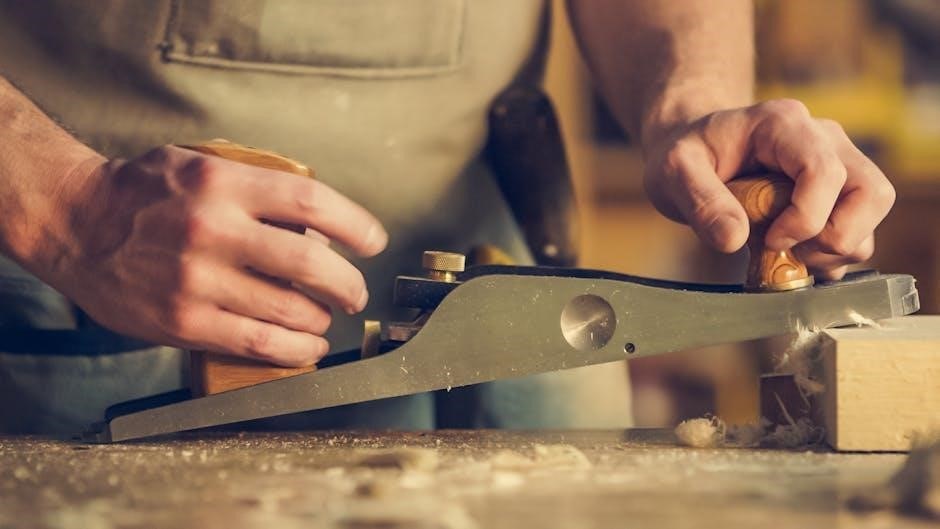
Comprehensive knowledge of both hand and power tools is a cornerstone of the CCQ exam, and preparation PDFs reflect this. Candidates must identify tools, understand their safe operation, and know their specific applications in carpentry and joinery. This includes hand saws, chisels, planes, hammers, and measuring tools. Power tool expertise encompasses circular saws, drills, sanders, and routers.
PDF study guides often feature detailed illustrations and safety protocols. Practice questions assess your ability to select the appropriate tool for a task, troubleshoot common issues, and adhere to safety regulations. Familiarity with tool maintenance and proper usage is vital for achieving a passing score on the CCQ examination;

Construction Techniques & Regulations (Quebec Focus)
Quebec-specific construction codes and techniques, detailed in preparation PDFs, are crucial; focus on framing, stairs, windows, and door installation regulations for success.
Framing Techniques (Walls, Floors, Roofs)
Mastering framing is essential for the CCQ exam, and preparation materials often dedicate significant sections to this core skill. Understanding wall framing – including stud spacing, header sizing, and bracing – is paramount. Floor framing requires knowledge of joist systems, subflooring installation, and load-bearing considerations.
Roof framing, arguably the most complex, demands proficiency in rafter calculations, truss assembly, and sheathing techniques. PDFs and courses emphasize Quebec-specific building codes related to framing, ensuring structures meet safety and regulatory standards. Successful candidates demonstrate a practical understanding of these techniques, applying them to blueprint interpretation and on-site construction scenarios. Thorough preparation, utilizing available resources, is key to confidently tackling framing-related questions.
Stair Construction
Proficiency in stair construction is a critical component of the CCQ exam, frequently assessed through detailed questions and practical scenarios. Preparation materials, including downloadable PDFs and comprehensive courses, emphasize understanding stair terminology – rise, run, stringers, treads, and risers. Accurate calculations for stair angles and dimensions are vital, adhering strictly to Quebec building codes.
Candidates must demonstrate knowledge of different stair types, including straight, spiral, and winder stairs, along with appropriate safety features like handrails and guardrails. Resources often provide step-by-step guides and diagrams illustrating proper construction techniques. Mastering this area ensures a solid foundation for passing the exam and performing safe, code-compliant stair installations.
Window and Door Installation
Mastering window and door installation is crucial for CCQ exam success, demanding a thorough understanding of proper sealing, flashing, and anchoring techniques. Preparation resources, often available as downloadable PDFs, highlight the importance of weatherproofing to prevent water damage and energy loss. Candidates must demonstrate knowledge of various window and door types – casement, awning, sliding, and hinged – and their specific installation requirements.
Understanding Quebec’s building codes regarding egress, fire resistance, and energy efficiency is paramount. Study materials emphasize accurate leveling, plumbing, and squaring of frames, ensuring smooth operation and long-term durability. Practice exams frequently assess the ability to identify and correct common installation errors, solidifying practical skills.
Quebec Construction Code (CCQ Specifics)
Navigating the Quebec Construction Code is fundamental for passing the CCQ exam; downloadable PDF study guides often dedicate significant sections to this topic. Candidates must demonstrate a detailed understanding of regulations pertaining to carpentry and joinery, including structural requirements, fire safety, and accessibility standards. Specific attention should be paid to the Code de construction du Québec, as interpreted and enforced by the CCQ.
Exam questions frequently assess knowledge of permitted materials, construction methods, and inspection procedures. Resources emphasize the importance of adhering to provincial standards for load-bearing walls, roof construction, and staircases. Thorough preparation ensures compliance and minimizes potential liabilities on construction sites.
Safety Regulations on Construction Sites
PDF study materials emphasize PPE, safe tool usage, hazard identification, and basic first aid – crucial for exam success and on-site worker wellbeing.
Personal Protective Equipment (PPE)
Comprehensive exam preparation PDFs consistently highlight the critical importance of Personal Protective Equipment (PPE) on Quebec construction sites. Mastery of required PPE is essential for passing the CCQ exam. This includes, but isn’t limited to, hard hats, safety glasses, high-visibility clothing, work gloves, and appropriate footwear – specifically, steel-toed boots.
Understanding when and how to correctly utilize each piece of equipment is paramount. Resources detail specific PPE requirements for various tasks, like working at heights, handling power tools, or exposure to hazardous materials. Failing to demonstrate knowledge of proper PPE selection and usage will negatively impact your exam score, and more importantly, compromise your safety in a real-world construction environment.
Safe Tool Usage Procedures
CCQ exam preparation materials, often available as PDFs, heavily emphasize safe tool operation. A significant portion of the exam assesses your understanding of proper procedures for both hand and power tools. This includes pre-use inspections, correct operating techniques, and essential safety features like guards and emergency shut-offs.
Detailed knowledge of lockout/tagout procedures is crucial, as is understanding the risks associated with each tool. Resources highlight the importance of maintaining tools in good working order and recognizing potential hazards. Demonstrating proficiency in safe tool usage isn’t just about passing the exam; it’s about preventing accidents and ensuring a safe work environment for yourself and your colleagues.
Hazard Identification and Mitigation
CCQ exam study guides, frequently found as downloadable PDFs, dedicate substantial sections to recognizing and mitigating construction site hazards. This encompasses everything from fall protection and electrical safety to proper material handling and exposure to hazardous substances. Candidates must demonstrate an ability to identify potential dangers before they lead to incidents.
Effective mitigation strategies, including the use of personal protective equipment (PPE), engineering controls, and administrative procedures, are key exam topics. Understanding how to assess risk levels and implement appropriate safety measures is vital. Resources emphasize proactive hazard control, aiming to eliminate or minimize risks to create a safer working environment, reflecting the CCQ’s commitment to worker well-being.
First Aid Basics for Construction Workers
Comprehensive study materials, often available as “réussir votre examen charpentier-menuisier pdf” downloads, highlight essential first aid knowledge for construction personnel. These resources emphasize immediate responses to common injuries encountered on site – cuts, burns, sprains, fractures, and even more serious incidents like electrical shock or heatstroke.
Candidates must understand basic life support techniques, including CPR and the use of automated external defibrillators (AEDs). Proper wound care, bleeding control, and immobilization techniques are also crucial. The CCQ exam assesses the ability to assess a situation, provide initial care, and summon appropriate medical assistance, demonstrating a commitment to worker safety and well-being in emergency scenarios.

Exam Format and Scoring
Exam preparation, like resources found in “réussir votre examen charpentier-menuisier pdf” guides, focuses on multiple-choice questions and understanding the required passing score.
Types of Questions (Multiple Choice, etc.)
The CCQ exam predominantly features multiple-choice questions (QCM) designed to assess a candidate’s comprehensive understanding of carpentry and joinery principles. Resources like “réussir votre examen charpentier-menuisier pdf” materials emphasize practicing these question formats extensively.
These questions cover a broad spectrum of topics, from blueprint reading and wood properties to fastening techniques and safety regulations. Flashcards, often available through platforms like Quizlet, are invaluable for memorizing key concepts tested in these QCMs.
Preparation courses, such as those offered by Prof-RBQ, also incorporate practice tests mirroring the exam’s style and difficulty. Mastering the QCM format is crucial for success, as it requires not only knowledge but also the ability to quickly and accurately apply that knowledge under timed conditions.
Passing Score Requirements
Determining the precise passing score for the CCQ carpenter-joiner exam isn’t publicly detailed, but success hinges on a thorough grasp of the exam’s scope. Resources like “réussir votre examen charpentier-menuisier pdf” guides suggest aiming for mastery across all core knowledge areas.
Preparation courses from providers like jeancharlesfortier.com and Prof-RBQ focus on achieving a consistently high level of understanding, rather than simply memorizing answers. Consistent performance on practice tests, utilizing QCM formats, is a strong indicator of readiness.
Candidates should prioritize areas where they demonstrate weakness, leveraging flashcards and study groups to reinforce their knowledge. A solid foundation in Quebec’s construction code is also essential for achieving a passing grade and demonstrating competency.
Time Management Strategies
Effective time management is crucial for success on the CCQ carpenter-joiner exam. Resources like “réussir votre examen charpentier-menuisier pdf” emphasize practicing with timed mock exams to simulate test conditions. Prioritize questions you can answer quickly, flagging more challenging ones for later review.
Avoid spending excessive time on any single question; a strategic approach involves allocating a specific timeframe per question and adhering to it. Prof-RBQ’s online tests and practice simulations help build this skill.
Regularly check the remaining time and adjust your pace accordingly. Familiarity with the exam format, gained through preparation materials, will boost confidence and improve efficiency during the actual test.

Advanced Topics & Specializations
Specialized areas like roofing, concrete formwork, and scaffolding require focused study, potentially supplemented by resources found within “réussir votre examen charpentier-menuisier pdf”.
Roofing Systems
Understanding roofing systems is a crucial component of advanced carpentry knowledge, often assessed within the CCQ exam. Mastery requires detailed knowledge of various roofing materials – asphalt shingles, metal roofing, tile, and wood shakes – alongside their respective installation techniques and weather resistance properties.
Preparation materials, including resources potentially found within a “réussir votre examen charpentier-menuisier pdf” guide, should cover roof framing, underlayment application, flashing details around chimneys and vents, and proper ventilation strategies to prevent moisture buildup.
Furthermore, familiarity with Quebec’s building codes pertaining to roofing, particularly those outlined by the CCQ, is essential. Expect questions relating to load calculations, slope requirements, and safety protocols for working at heights. Thorough preparation ensures confidence and success on the exam.
Formwork for Concrete
Formwork construction represents a significant skillset for carpenters, frequently tested on the CCQ exam. A comprehensive understanding extends beyond simply building boxes to hold wet concrete; it demands knowledge of material selection – plywood, lumber, steel – based on concrete pressure and structural requirements.
Resources like a “réussir votre examen charpentier-menuisier pdf” should detail various formwork systems, including hand-set forms, modular systems, and climbing forms. Crucially, it must cover bracing, shoring, and the safe handling of heavy materials.
Expect exam questions concerning formwork design, ensuring structural integrity, and adherence to Quebec’s construction codes. Proper formwork prevents costly errors and ensures safe concrete pouring. Mastering this area is vital for exam success and practical application.
Scaffolding and Rigging

Scaffolding and rigging are critical components of many construction projects, and a solid grasp of related safety protocols is essential for passing the CCQ exam. A “réussir votre examen charpentier-menuisier pdf” guide should thoroughly cover different scaffolding types – frame, system, tube and coupler – and their appropriate applications.
Understanding load capacities, proper erection procedures, and fall protection systems is paramount. Rigging knowledge, including knot tying, sling selection, and safe lifting techniques, will also be assessed.
Expect questions on Quebec’s specific regulations regarding scaffolding and rigging, emphasizing worker safety and preventing accidents. Competent scaffolding and rigging demonstrate a commitment to a secure work environment, a key aspect of the CCQ’s evaluation criteria.
Resources for Exam Success
Utilize study groups, practice exams, and time management techniques, alongside resources like “réussir votre examen charpentier-menuisier pdf” guides, for optimal preparation.
Study Groups and Mentorship
Collaborative learning through study groups significantly enhances exam preparation. Sharing knowledge, discussing challenging concepts from resources like “réussir votre examen charpentier-menuisier pdf”, and practicing together builds confidence. Seek out peers who are also preparing for the CCQ exam to foster a supportive environment.
Mentorship from experienced carpenters or joiners provides invaluable insights. A mentor can offer practical advice, share exam-taking strategies, and review your understanding of key concepts. They can also help you navigate the complexities of the Quebec Construction Code and relevant regulations. Consider reaching out to professionals in your network or through trade organizations to find a suitable mentor; Remember to actively participate and ask questions to maximize the benefits of mentorship.
Practice Exam Simulations
Realistic exam simulations are crucial for success. Utilizing practice tests, potentially found alongside resources like “réussir votre examen charpentier-menuisier pdf”, allows you to familiarize yourself with the exam format, question types, and time constraints. Prof-RBQ offers online practice tests with 24/7 access, including QCM and flashcards, providing a valuable simulation experience.
Analyze your performance on these simulations to identify areas needing improvement. Focus on understanding why you missed questions, not just the correct answer. This targeted approach, combined with studying relevant materials, will significantly boost your confidence and preparedness. Regularly simulating the exam environment will reduce anxiety and improve your time management skills on exam day, maximizing your potential score.
Time Management During the Exam
Effective time management is paramount for passing the CCQ exam. Resources like “réussir votre examen charpentier-menuisier pdf” likely emphasize this skill. Allocate a specific time for each question, and strictly adhere to it. Don’t dwell too long on difficult questions; mark them and return later if time permits.
Prioritize questions you’re confident answering first to build momentum and secure easy points. Practice exams, such as those offered by Prof-RBQ, help refine your pacing. Avoid rushing, as careless errors can be costly. Regularly check the time remaining and adjust your strategy accordingly. A calm and focused approach, honed through simulation, will maximize your efficiency and increase your chances of success.