
a comprehensive guide to navigating the insurance claim process
Understanding the Insurance Claim Process: A Comprehensive Guide
Navigating insurance claims can be daunting, but understanding the process—from initial reporting to potential appeals—empowers you to secure your deserved benefits efficiently and effectively․
What is an Insurance Claim?
An insurance claim is a formal request submitted to your insurance provider, seeking compensation for losses incurred due to a covered event․ This event could range from accidental damage to your vehicle, medical expenses following an illness, or losses resulting from fire or theft․ Essentially, it’s how you utilize the financial protection you’ve purchased through your insurance policy․
The claim process initiates when you report an incident to your insurer․ They then evaluate your policy, assess the damages, and determine the appropriate payout based on your coverage limits and deductibles․ A successful claim aims to restore you, financially, to the state you were in before the loss occurred․ Understanding your policy’s specifics is crucial for a smooth claim experience, as coverage varies significantly․
Types of Insurance Claims
Insurance claims aren’t one-size-fits-all; they vary widely depending on your insurance type․ Common categories include health insurance claims for medical expenses, auto insurance claims covering accidents, theft, or damage, and home insurance claims addressing fire, water damage, or property loss․ Travel insurance claims handle cancellations, lost luggage, or medical emergencies abroad․
Life insurance claims are filed upon the policyholder’s death, providing a benefit to beneficiaries․ Two-wheeler insurance claims address accidents or damages to motorcycles and scooters․ Each claim type has specific requirements and documentation․ Understanding these distinctions is vital․ For example, a health claim requires medical bills, while an auto claim needs a police report․ Knowing your policy’s specific claim categories streamlines the process․
Preparing Before You File a Claim
Proactive preparation significantly simplifies the claims process․ Begin by thoroughly reviewing your insurance policy to understand your coverage, deductibles, and any specific claim filing requirements․ Document your belongings with photos or videos, especially for homeowners or renters insurance․ Keep receipts for valuable items as proof of ownership․

Familiarize yourself with your policy’s claim reporting deadlines․ Knowing these timelines prevents potential delays or denials․ In the event of an incident, immediately mitigate further damage – for example, covering a damaged roof to prevent water intrusion․ Gather all relevant information, such as police reports, medical bills, or repair estimates․ Being organized upfront saves time and reduces stress when filing your claim․
Step 1: Reporting the Incident

Promptly reporting the incident is crucial for initiating the claim process․ Contact your insurance company as soon as reasonably possible, adhering to any specified timeframes outlined in your policy․ Most insurers offer multiple reporting methods – phone, online portal, or mobile app․
When reporting, provide a clear and concise account of what happened, including the date, time, and location of the incident․ Be prepared to answer questions about the circumstances and any immediate actions taken to prevent further damage․ Obtain a claim number for future reference and documentation․ Keep a record of your conversation, including the representative’s name and contact information․ Accurate and timely reporting sets the stage for a smoother claim experience․
Step 2: Documenting the Damage
Thorough documentation is the cornerstone of a successful insurance claim․ Immediately begin gathering evidence to support your claim, meticulously recording all damages․ This includes taking detailed photographs and videos of the affected property, capturing the extent of the loss before any repairs are made․
Beyond visual evidence, create a comprehensive inventory of all damaged or lost items, including descriptions, estimated values, and dates of purchase if possible․ Retain receipts, appraisals, and any other relevant documentation․ Accurate and detailed documentation strengthens your claim and facilitates a fair assessment by the insurance company, minimizing potential disputes and delays․
Gathering Evidence: Photos & Videos
Visual documentation is paramount when filing an insurance claim․ Capture comprehensive photos and videos of all damage, providing a clear and detailed record of the incident’s impact․ Ensure images are well-lit and focused, showcasing the full extent of the loss․ Document not only the primary damage but also any contributing factors or secondary effects․
Videos can offer a dynamic overview, allowing insurers to better understand the scope of the damage․ Preserve original dates and times on your media files․ Back up all photos and videos in multiple locations to prevent loss․ This meticulous approach provides compelling evidence, supporting your claim and streamlining the assessment process;
Creating an Inventory of Losses
A detailed inventory is crucial for substantiating your claim, especially for personal property losses․ Methodically list every damaged or lost item, including descriptions, approximate dates of purchase, and original cost whenever possible․ Receipts are invaluable, but if unavailable, provide estimated values based on similar items․
Categorize your inventory for clarity – furniture, electronics, clothing, etc․ – and consider using a spreadsheet or dedicated claims inventory app․ Include serial numbers for electronics and identifying features for unique items․ Be as thorough as possible; even seemingly minor losses contribute to the overall claim value․ A well-organized inventory demonstrates the legitimacy of your claim and expedites the settlement process․
Step 3: Filing the Claim
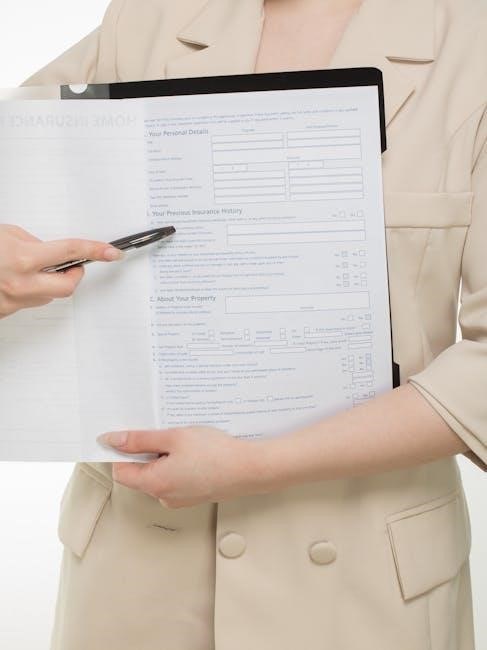
Once documentation is gathered, formally filing your claim is the next critical step․ This typically involves completing claim forms provided by your insurance company, either online or via mail․ Carefully review each section, ensuring accuracy and completeness to avoid delays․ Understand that claim forms request detailed information about the incident, damages, and your policy coverage․
Alongside the form, you’ll submit all supporting documentation – photos, videos, inventory lists, police reports, and repair estimates․ Keep copies of everything submitted for your records․ Promptly respond to any requests for additional information from the adjuster; A complete and timely submission sets a positive tone for the claims process․
Understanding Claim Forms
Insurance claim forms are the official gateway to receiving benefits, demanding meticulous attention to detail․ These forms aren’t simply requests for information; they’re legal documents․ Expect sections detailing the incident – date, time, location, and a comprehensive description of what occurred․ You’ll need your policy number readily available, alongside details of any involved parties․

Pay close attention to sections requesting damage specifics․ Be thorough and avoid vague language․ Understand the form may ask about prior incidents or pre-existing conditions․ Honesty is paramount; misrepresentation can invalidate your claim․ If unsure about any section, contact your insurer for clarification before submitting․ A properly completed form streamlines the process significantly․
Submitting Required Documentation
Successfully submitting your claim hinges on providing complete and accurate documentation․ Beyond the claim form, insurers typically require proof of ownership – policy declarations, purchase receipts – and evidence of the loss․ This includes police reports (for theft or accidents), medical records (for health claims), or repair estimates (for property damage)․
Digital submissions are increasingly common, often via online portals or email․ However, retain copies of everything submitted for your records․ Ensure documents are clear, legible, and properly labeled․ Missing documentation is a primary cause of claim delays․ Promptly respond to any requests for additional information from your insurer․ Organized documentation demonstrates your good faith and expedites the review process․
Step 4: The Insurance Company’s Investigation
Once your claim is filed, the insurance company initiates an investigation to verify the incident and assess the damages; This process varies depending on the claim type․ For property claims, an adjuster may visit the site to document the damage firsthand․ Auto claims often involve reviewing police reports and obtaining statements from involved parties․

Be prepared to cooperate fully with the investigator, providing honest and detailed information․ They may request additional documentation or schedule interviews․ Understand that the investigation isn’t an accusation, but a standard procedure; A thorough investigation protects both the insurer and the policyholder, ensuring fair claim settlements․ Patience is key during this phase, as it can take time to complete․
Step 5: Claim Review and Adjustment
After the investigation, the insurance company reviews the findings and determines the extent of coverage based on your policy․ This often involves assessing whether the loss is covered under your policy terms, verifying the cost of repairs or replacements, and applying your deductible․ The adjuster will then formulate a claim settlement offer․
Carefully review the offer, ensuring it accurately reflects the damages and policy coverage․ Don’t hesitate to ask for clarification on any discrepancies or items you don’t understand․ If you disagree with the adjustment, you have the right to negotiate or provide additional supporting documentation․ Remember, a claim can pass through multiple teams during this process․
Dealing with Claim Denials
Receiving a claim denial can be frustrating, but it doesn’t necessarily mean the process ends․ Insurance companies deny claims for various reasons, including policy exclusions, insufficient documentation, or questioning the validity of the loss․ Understanding the reason for denial is crucial․
Carefully review the denial letter, which should outline the specific reason․ If you believe the denial is unjustified, you have the right to appeal․ Gather any additional evidence supporting your claim and formally submit an appeal to the insurance company․ Many policyholders wrongly assume there’s nothing left to do after a denial, but persistence can often yield positive results․
Reasons for Claim Denial
Insurance claim denials stem from a variety of factors, often relating to policy specifics or insufficient evidence․ Common reasons include pre-existing conditions (in health insurance), lack of coverage for the specific event, exceeding policy limits, or failure to meet deductibles․ Insufficient documentation, such as missing receipts or police reports, frequently leads to denials․
Disputes over the cause of damage – for example, whether water damage resulted from a sudden burst pipe or gradual neglect – are also frequent․ Policies contain exclusions, outlining events not covered․ The claims department rigorously tests promises, colliding with costs and customer expectations, leading to denials when claims don’t align with policy terms․
The Appeals Process
Don’t assume a denial is final; a robust appeals process exists to challenge unfavorable decisions․ Begin by carefully reviewing the denial letter, noting the stated reasons․ Gather any additional evidence supporting your claim – medical records, repair estimates, photos – to strengthen your case․ Submit a formal written appeal to the insurance company, clearly outlining why you disagree with the initial decision․
Many policies have specific appeal deadlines, so act promptly․ If the initial appeal fails, consider a second-level review or, depending on your policy and location, external mediation or arbitration․ Understanding your rights and persistently advocating for your claim are crucial steps․ Remember, policyholders often assume there’s nothing left to do after a denial, but appealing can be successful․
Understanding Policy Limits and Deductibles
Your insurance policy isn’t a blank check; it operates within defined limits and requires you to meet a deductible․ Policy limits represent the maximum amount your insurer will pay for a covered loss․ Understanding these limits – for property damage, medical expenses, or liability – is vital to avoid unexpected out-of-pocket costs․
The deductible is the amount you pay before insurance coverage kicks in․ A higher deductible typically means lower premiums, but greater financial responsibility in the event of a claim․ Carefully review your policy declarations page to identify both your coverage limits and deductible amounts․ Knowing these figures allows for realistic expectations and informed financial planning during the claim process․
Working with a Public Adjuster
Navigating a complex claim, or facing a denial, might warrant considering a public adjuster․ Unlike insurance company adjusters who represent the insurer’s interests, public adjusters work solely for you, the policyholder․ They possess expertise in policy language, damage assessment, and negotiation, potentially maximizing your settlement․
A public adjuster can assist with documenting losses, preparing and submitting claims, and advocating on your behalf throughout the process․ However, their services come at a cost – typically a percentage of your final claim settlement․ Carefully evaluate the potential benefits against these fees․ Ensure any public adjuster you hire is licensed and reputable, with a proven track record of successful claim resolutions․
Insurance Claim Timelines: What to Expect
Understanding claim timelines is crucial for managing expectations․ The duration varies significantly based on claim complexity and the insurer’s workload․ Simple claims, like minor auto repairs, may resolve within weeks․ However, larger claims – such as those involving extensive property damage or significant medical expenses – can take months, even years, to finalize․
Initial contact and claim acknowledgement usually occur quickly․ Investigation and documentation gathering follow, potentially requiring several weeks․ Expect delays if additional information is needed or if disputes arise․ Regular communication with your adjuster is vital․ While insurers aim for timely resolution, remember that a thorough investigation is essential for a fair outcome․ Patience and persistence are key throughout the process․
Specific Claim Types: A Brief Overview
Different insurance types necessitate unique claim procedures․ Home insurance claims often arise from fire, water damage, or theft, requiring detailed documentation of losses and property assessments․ Auto insurance claims, stemming from accidents or theft, involve police reports, repair estimates, and potentially, injury claims․

Health insurance claims center around medical expenses, demanding accurate billing codes and supporting documentation from healthcare providers․ Travel insurance claims cover cancellations, lost luggage, or medical emergencies abroad, needing proof of travel arrangements and incident reports․ Each claim type demands specific evidence and adherence to policy stipulations․ Understanding these nuances streamlines the process and increases the likelihood of a successful outcome․

Home Insurance Claims (Fire, Water Damage)
Home insurance claims, particularly those involving fire or water damage, require meticulous documentation․ Immediately after an incident, prioritize safety and then contact your insurer․ Detailed photos and videos of the damage are crucial, alongside a comprehensive inventory of lost or damaged belongings․
For fire claims, the fire department report is essential․ Water damage claims necessitate identifying the source and extent of the damage to prevent mold growth․ Be prepared to provide receipts or appraisals for valuable items․ Understanding your policy’s coverage for “replacement cost” versus “actual cash value” impacts your payout․ Prompt action and thorough documentation are key to a smooth claim resolution․
Auto Insurance Claims (Accidents, Theft)
Filing an auto insurance claim, whether for accidents or theft, demands a systematic approach․ Following an accident, ensure everyone’s safety and exchange information with other drivers – name, contact details, insurance information, and vehicle details․ A police report is vital, especially for accidents with injuries or significant damage․

For theft, immediately report it to the police and your insurer․ Document everything: photos of the scene, a list of stolen items (with receipts if possible), and any vehicle damage․ Understand your policy’s coverage – collision, comprehensive, liability – as this dictates what’s covered․ A clear claim process helps ensure faster repairs and financial protection․

Health Insurance Claims (Medical Expenses)
Navigating health insurance claims can feel complex, but preparation is key․ Begin by understanding your policy’s coverage – deductibles, co-pays, and covered services․ After receiving medical treatment, obtain detailed bills (itemized statements) and any supporting documentation from your healthcare provider, like diagnosis codes and treatment plans․
Most insurers allow online claim submission, but paper forms are also available․ Ensure all required fields are completed accurately․ Filing a claim promptly is crucial․ Even with coverage, unexpected expenses can arise, so carefully review the Explanation of Benefits (EOB) you receive to understand what was covered and why․ Don’t hesitate to contact your insurer with questions․
Travel Insurance Claims (Cancellations, Lost Luggage)
Unexpected travel disruptions necessitate understanding your travel insurance policy․ For cancellations, document the reason (illness, weather) with official reports․ Lost luggage claims require a copy of your baggage claim ticket and a detailed list of contents with their value․ Keep all receipts for replacement items․
Immediately report incidents to the airline and your insurer․ Most policies have time limits for filing claims, so act quickly․ Submit your claim with supporting documentation – tickets, receipts, police reports (for theft), and medical records (if applicable)․ Review your policy’s exclusions carefully; pre-existing conditions or certain activities might not be covered․ A clear claim process ensures a smoother resolution․
Protecting Yourself from Insurance Fraud
Insurance fraud impacts everyone, driving up premiums and eroding trust․ Be wary of unsolicited offers for “free” insurance or claims assistance․ Never sign blank claim forms or allow anyone to complete them for you․ Scrutinize any documentation before signing, ensuring accuracy and understanding․
Report suspicious activity to your insurer and state insurance fraud hotline․ Avoid inflating claims or providing false information; this is illegal and can lead to severe penalties․ Be cautious of contractors who pressure you to use specific repair services or offer to waive your deductible – this could indicate fraudulent practices․ Protecting yourself requires vigilance and a commitment to honesty throughout the claims process․