
pnf techniques pdf
PNF Techniques PDF: A Comprehensive Guide (Updated March 30‚ 2026)
This comprehensive PDF guide details PNF stretching‚ a technique combining contraction and stretching for enhanced flexibility and mobility․
It explores various methods‚
including contract-relax and hold-relax‚
and provides detailed protocols for beginners and experienced practitioners alike․
What is PNF Stretching?
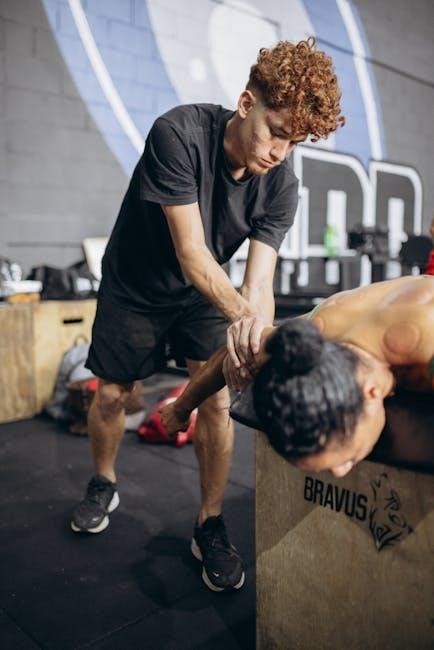
PNF stretching‚ short for Proprioceptive Neuromuscular Facilitation‚ represents an advanced stretching methodology that goes beyond traditional static or dynamic stretching․ It’s a technique skillfully blending passive stretching with isometric muscle contractions to achieve significant gains in flexibility and range of motion․ Unlike simply holding a stretch‚ PNF actively involves the body’s neuromuscular system․
Essentially‚ PNF utilizes the body’s natural reflexes – specifically‚ the autogenic and reciprocal inhibition – to allow for deeper stretches․ This is achieved through a series of contractions and relaxations of the targeted muscle groups‚ often with the assistance of a partner‚ though self-PNF techniques are also possible․ The process aims to ‘trick’ the muscles into relaxing further than they normally would‚ leading to improved mobility and reduced tension․ As StretchMed highlights‚ it’s a powerful tool for relieving chronic tension and enhancing overall movement capabilities․
The Core Principles of Proprioceptive Neuromuscular Facilitation
Proprioceptive Neuromuscular Facilitation (PNF) operates on several key neurological principles․ Central to its effectiveness is the exploitation of autogenic and reciprocal inhibition․ Autogenic inhibition involves the relaxation of a muscle after a strong contraction‚ while reciprocal inhibition refers to the relaxation of the opposing muscle group when one muscle contracts․
The technique leverages these reflexes by first contracting the target muscle isometrically – against resistance – followed by a period of relaxation and a deeper stretch․ PubMed research emphasizes that active PNF stretching‚ particularly utilizing a contraction of the opposing muscle‚ yields the greatest improvements in range of motion․ This coordinated approach bypasses the protective mechanisms that typically limit stretching‚ allowing for greater flexibility gains․ The CRAC method‚ a common PNF technique‚ exemplifies this principle by incorporating both contraction and antagonist muscle engagement․
Why Use PNF Stretching? Benefits & Advantages
PNF stretching offers a multitude of benefits beyond traditional static stretching․ As highlighted by StretchMed‚ it’s an advanced technique designed to dramatically improve flexibility‚ relieve chronic muscle tension‚ and enhance overall mobility․ This is achieved through the combined action of stretching and muscle contraction‚ creating a more effective lengthening response․
Compared to other methods‚ PNF can yield faster and more significant gains in range of motion (ROM)‚ as supported by research․ It’s particularly valuable for individuals seeking to overcome limitations in movement or recover from injuries․ Oakville’s Sandbox Fitness & Therapy notes that while some PNF techniques can be self-administered‚ partnering with a trained professional maximizes effectiveness and ensures proper form‚ minimizing risk and optimizing results․ Ultimately‚ PNF provides a pathway to improved physical performance and well-being․
PNF Stretching Techniques: Detailed Breakdown
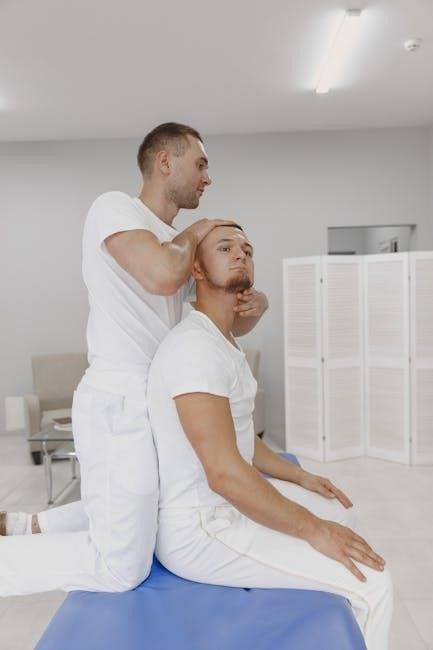
This section provides in-depth explanations of core PNF techniques‚ including contract-relax (CR)‚ contract-relax-antagonist-contract (CRAC)‚ and hold-relax‚
with step-by-step guides for effective application․
Contract-Relax (CR) Technique: A Step-by-Step Guide
The Contract-Relax (CR) technique is a foundational PNF stretching method․ Begin by gently stretching the target muscle to its comfortable limit‚ holding this position․ Next‚ the individual actively contracts the stretched muscle against an immovable resistance – often provided by a partner – for approximately 5-10 seconds․
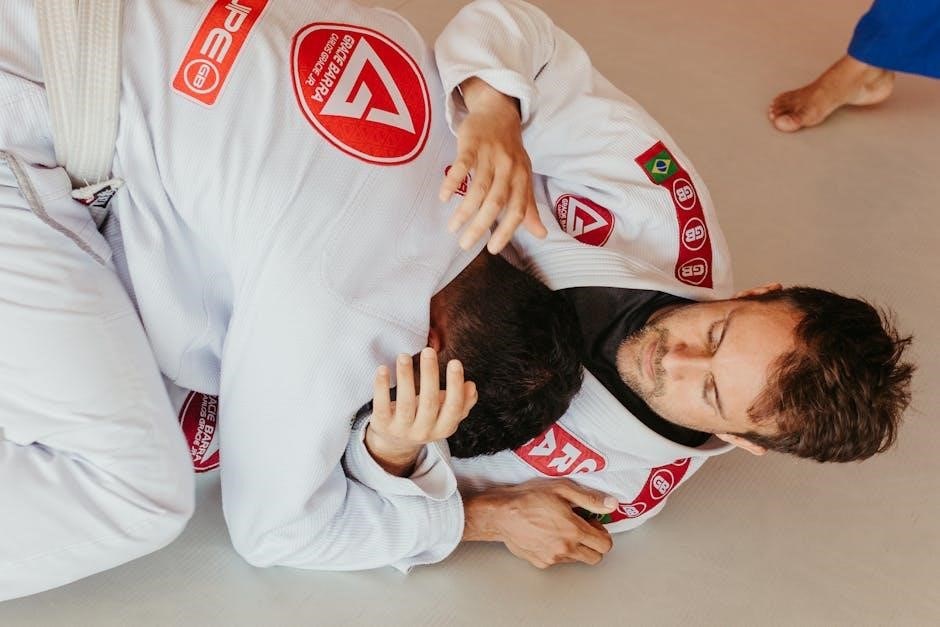
Crucially‚ maintain the stretch throughout the contraction․ Following the contraction phase‚ instruct the individual to completely relax the muscle․ Immediately after relaxation‚ gently move the limb further into the stretch‚ holding this new position for 15-30 seconds․
Repeat this process 2-3 times‚ each time aiming for a slightly greater range of motion․ Remember‚ the relaxation phase is vital for achieving optimal results․ Proper execution of the CR technique significantly enhances flexibility and reduces muscle tension․
Contract-Relax-Antagonist-Contract (CRAC) Technique: Explained
The Contract-Relax-Antagonist-Contract (CRAC) technique builds upon the CR method‚ adding an extra component for increased effectiveness․ Initiate by stretching the target muscle to its limit and having the individual contract it isometrically against resistance for 5-10 seconds‚ just like in the CR technique․
Following relaxation of the target muscle‚ immediately contract the antagonist muscle – the muscle opposing the target muscle – while simultaneously applying a gentle stretch to the target muscle․ Hold this antagonist contraction for 5-10 seconds․
This secondary contraction further facilitates relaxation of the target muscle and allows for a greater stretch․ Finally‚ relax the antagonist and gently move the limb into a deeper stretch‚ holding for 15-30 seconds․ Repeat 2-3 times․ CRAC is particularly effective for achieving substantial gains in range of motion․
Hold-Relax Technique: Variations and Applications
The Hold-Relax technique presents variations‚ differing slightly in application but sharing core principles․ A common approach involves passively stretching the target muscle to its limit and maintaining that position․ The individual then isometrically contracts the target muscle against an immovable resistance for several seconds – typically 5-10․
Following the contraction‚ the muscle relaxes‚ and a deeper passive stretch is applied․ This cycle can be repeated several times․ A variation‚ the Hold-Relax with Agonist Contraction‚ adds a contraction of the opposing (agonist) muscle after relaxation‚ enhancing the stretch․
Applications span rehabilitation‚ sports training‚ and general flexibility improvement․ While some variations can be self-administered‚ assistance from a therapist or trainer often maximizes effectiveness‚ particularly for complex movements․
Understanding the Mechanisms Behind PNF
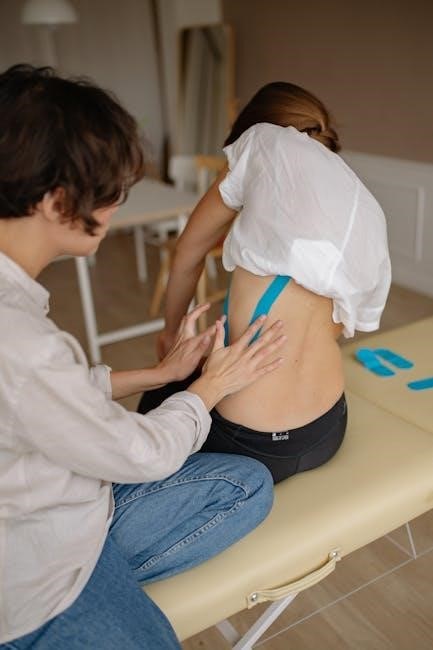
PNF’s effectiveness stems from neuromuscular responses‚ impacting muscle spindles and Golgi tendon organs․ These mechanisms facilitate increased range of motion and improved muscular function‚ as detailed in research․
Neuromuscular Responses to PNF Stretching
PNF stretching elicits complex neuromuscular responses that contribute to its effectiveness․ The technique doesn’t simply lengthen muscles; it actively engages the nervous system to allow for greater flexibility․ Initially‚ the contraction phase activates muscle spindles‚ triggering a stretch reflex․ However‚ the subsequent relaxation phase‚ coupled with the antagonist muscle contraction (in techniques like CRAC)‚ inhibits this reflex․
This inhibition is largely attributed to the activation of Golgi tendon organs (GTOs)‚ which are sensitive to muscle tension․ When tension increases during the contraction‚ GTOs signal the central nervous system to relax the muscle‚ protecting it from injury․ This autogenic inhibition‚ combined with reciprocal inhibition (where contraction of one muscle group leads to relaxation of the opposing group)‚ allows for a deeper stretch than static stretching alone;
Furthermore‚ PNF techniques can positively influence the nervous system’s perception of stretch‚ potentially reducing muscle guarding and increasing tolerance to lengthening․ This neurological component is crucial for achieving lasting improvements in range of motion․
The Role of Muscle Spindles and Golgi Tendon Organs
Muscle spindles and Golgi tendon organs (GTOs) are key players in the neuromuscular mechanisms underlying PNF stretching․ Muscle spindles‚ sensory receptors within the muscle‚ detect changes in muscle length and initiate the stretch reflex – a protective contraction․ PNF cleverly utilizes this reflex initially‚ with the contraction phase activating these spindles․
However‚ the subsequent hold and relaxation phases target the GTOs‚ located in the musculotendinous junction․ GTOs are sensitive to muscle tension; when tension rises during the contraction‚ they trigger autogenic inhibition‚ signaling the muscle to relax․ This overrides the stretch reflex‚ allowing for a greater range of motion․
The interplay between these two receptors is crucial․ PNF techniques manipulate this balance‚ effectively “resetting” the muscle’s sensitivity to stretch and promoting long-term flexibility gains․ Understanding their roles is fundamental to maximizing the benefits of PNF․
How PNF Impacts Range of Motion (ROM)
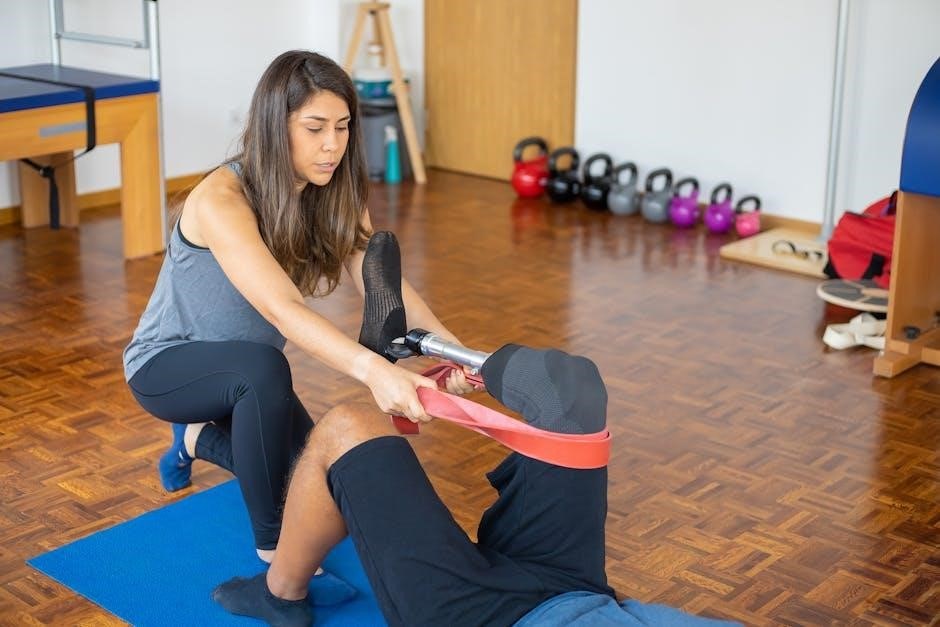
PNF stretching demonstrably improves range of motion (ROM)‚ often exceeding gains achieved with static stretching alone․ This enhancement stems from its unique neuromuscular approach‚ influencing both active and passive ROM․ Active ROM‚ the movement achieved independently‚ increases as PNF strengthens the muscle through contraction․
Simultaneously‚ passive ROM – the movement assisted by an external force – expands due to the autogenic and reciprocal inhibition triggered during the techniques․ The contract-relax and contract-relax-antagonist-contract methods specifically target these mechanisms‚ allowing for deeper stretches․
Research indicates that active PNF techniques‚ utilizing a contraction of the opposing muscle‚ yield the most significant ROM improvements․ By effectively “resetting” neuromuscular limitations‚ PNF facilitates lasting gains in flexibility and joint mobility‚ benefiting athletic performance and rehabilitation․
Practical Application of PNF Stretching
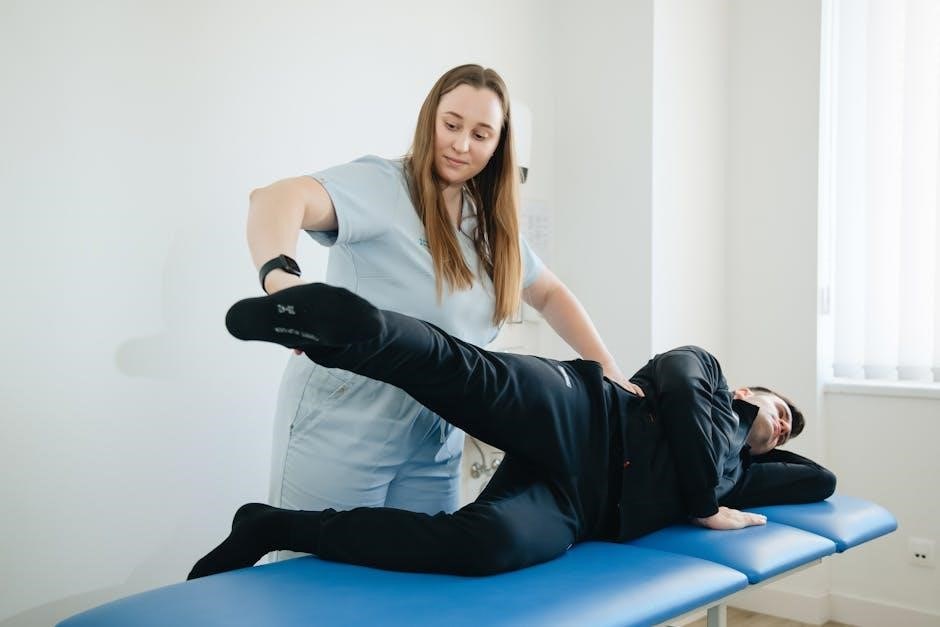
This section details applying PNF techniques‚ covering beginner guidance‚ partner work for maximized results‚ and self-stretching methods for independent practice․
Effectively implement these strategies!
PNF Stretching for Beginners: Getting Started
Embarking on PNF stretching requires a foundational understanding․ Begin with simpler techniques like the contract-relax method‚ ideally with a qualified partner or therapist initially․ Warm up thoroughly before attempting any PNF stretches; dynamic movements are excellent preparation․ Focus on controlled contractions – approximately 60-70% of your maximum effort – followed by a relaxed stretch․
Prioritize proper form over depth․ Avoid bouncing or forcing the stretch‚ as this can lead to injury․ Start with major muscle groups like hamstrings‚ quadriceps‚ and calves․ Remember to breathe deeply throughout the process‚ exhaling during the contraction and inhaling during the stretch․
Consistency is key․ Incorporate PNF stretching into your routine 2-3 times per week‚ allowing for adequate recovery between sessions․ Listen to your body and stop if you experience any pain․ Consider consulting a StretchMed Flexologist for personalized guidance and optimal results․
PNF Stretching with a Partner: Maximizing Effectiveness
Partner-assisted PNF stretching significantly enhances results by providing a stable resistance during contractions and a controlled stretch․ The partner’s role is crucial – they should apply gentle‚ consistent pressure during the contraction phase‚ ensuring the stretch isn’t forced․ Communication is paramount; the individual being stretched should clearly indicate their comfort level and any sensations of pain․
Techniques like Contract-Relax-Antagonist-Contract (CRAC) are particularly effective with a partner․ The partner facilitates the contraction‚ then assists in stretching the opposing muscle group․ This reciprocal inhibition maximizes range of motion gains․ Ensure the partner understands the proper technique to avoid injury․
A trained professional‚ like a StretchMed Flexologist‚ can optimize partner PNF sessions․ They can identify muscle imbalances and tailor the stretching protocol to individual needs‚ ensuring safe and effective progress․
Self-PNF Stretching: Techniques for Solo Practice
While partner PNF is highly effective‚ solo practice is achievable‚ though requires careful execution․ The Contract-Relax or Hold-Relax with Agonist Contraction techniques are more manageable independently‚ but present challenges․ Utilize stable anchors – walls‚ furniture – to provide resistance during the contraction phase‚ mimicking a partner’s force․
Focus on controlled movements and mindful engagement of the target muscle․ Avoid bouncing or forcing the stretch․ The key is to create sufficient resistance for a noticeable contraction‚ followed by a gradual‚ passive stretch․ Proper form is crucial to prevent injury when working alone․
Beginners should start slowly‚ mastering the technique with simpler muscle groups before progressing․ Consider using visual aids or online resources to ensure correct form and understand the principles of neuromuscular facilitation․
PNF Stretching Exercises: Examples
This section provides detailed protocols for common PNF stretches‚ including hamstrings‚ quadriceps‚ and calves․
Each exercise demonstrates step-by-step instructions
to maximize flexibility and improve range of motion effectively․
PNF Hamstring Stretch: A Detailed Protocol
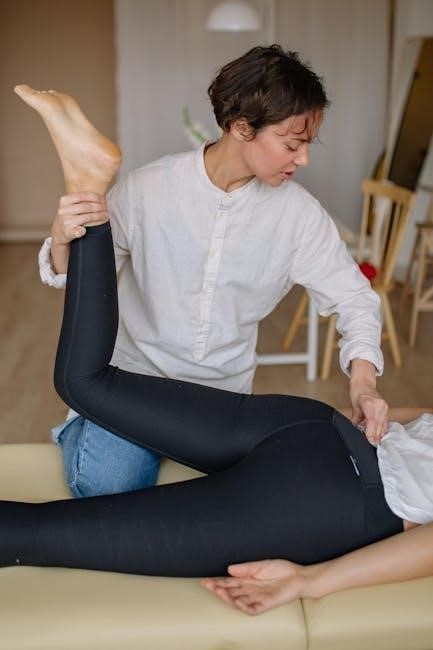
To perform a PNF hamstring stretch effectively‚ begin by lying supine with one leg extended straight․ A partner (or using a strap) gently raises the extended leg towards the ceiling‚ maintaining a slight bend in the knee․
Phase 1: Isometric Contraction (5-10 seconds)․ The individual actively resists the partner’s force‚ contracting the hamstring muscles as if trying to lower the leg․ This isn’t about actually moving the leg‚ but engaging the muscle․
Phase 2: Relaxation (briefly)․ The individual completely relaxes the hamstring muscles for approximately 2-3 seconds․
Phase 3: Assisted Stretch (15-30 seconds)․ The partner gently increases the stretch by raising the leg slightly higher‚ utilizing the newfound relaxation in the hamstring․ Hold this position․
Repeat the isometric contraction‚ relaxation‚ and assisted stretch sequence 2-3 times․ Remember to breathe deeply throughout the exercise․ This technique leverages neuromuscular responses to enhance flexibility․
PNF Quadriceps Stretch: Step-by-Step Instructions
Begin the PNF quadriceps stretch by lying prone (face down)․ A partner gently flexes your knee‚ bringing your heel towards your buttock․ Maintain a comfortable stretch‚ avoiding any pain․ This initial position sets the stage for neuromuscular facilitation․
Phase 1: Isometric Contraction (5-10 seconds)․ Actively contract your quadriceps muscle‚ attempting to straighten your leg against your partner’s resistance․ Focus on engaging the muscle without actually moving your heel․
Phase 2: Relaxation (2-3 seconds)․ Completely relax the quadriceps muscle‚ allowing your partner to gently increase the stretch․ This relaxation is crucial for maximizing the stretch’s effectiveness․
Phase 3: Assisted Stretch (15-30 seconds)․ Your partner gently increases the knee flexion‚ deepening the stretch․ Hold this position‚ breathing deeply․
Repeat this contraction-relaxation-stretch cycle 2-3 times․ A trained professional can optimize this technique for best results․
PNF Calf Stretch: Improving Ankle Flexibility
To begin the PNF calf stretch‚ position yourself in a lunge with one foot slightly behind the other․ Ensure your back leg is straight‚ with the heel firmly planted on the ground․ A partner will assist in providing gentle resistance․
Phase 1: Isometric Contraction (5-10 seconds)․ Attempt to lift your heel off the ground against your partner’s resistance‚ engaging your calf muscle․ Maintain this contraction without allowing any actual movement․
Phase 2: Relaxation (2-3 seconds)․ Fully relax your calf muscle‚ allowing your partner to gently increase the stretch by pushing your heel further into the ground․ This relaxation phase is vital․
Phase 3: Assisted Stretch (15-30 seconds)․ Your partner deepens the stretch‚ maintaining a comfortable yet challenging position․ Breathe deeply throughout the stretch․
Repeat this cycle 2-3 times․ Utilizing a professional ensures proper form and maximizes flexibility gains․
Safety Considerations and Precautions
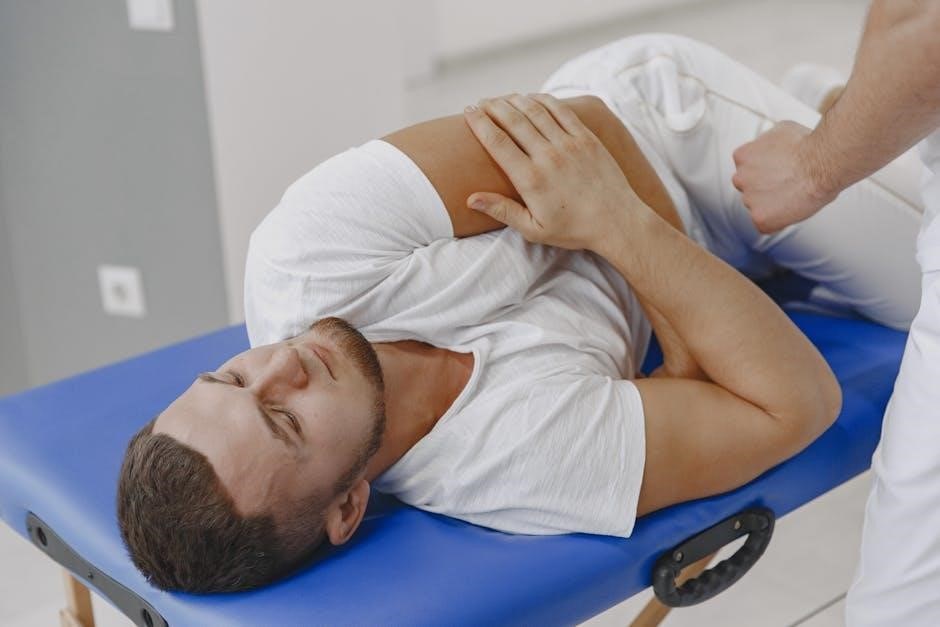
Prioritize caution with PNF stretching; avoid if experiencing acute injuries or inflammation․ Proper technique minimizes risks‚
and consulting a healthcare professional is always recommended for personalized guidance․
Contraindications for PNF Stretching
PNF stretching‚ while beneficial‚ isn’t suitable for everyone․ Certain conditions necessitate avoiding this technique to prevent injury or exacerbating existing problems․ Acute muscle strains or tears are absolute contraindications; attempting PNF on damaged tissue can worsen the injury significantly․ Similarly‚ individuals with acute inflammation – characterized by redness‚ swelling‚ and pain – should refrain from PNF until the inflammation subsides․
Those with joint hypermobility or instability may find PNF detrimental‚ as the increased range of motion could further compromise joint integrity․ Severe osteoporosis presents a risk of fractures during the contraction and stretching phases․ Open wounds near the targeted muscle group also preclude PNF application․ Furthermore‚ individuals with certain neurological conditions‚ such as those affecting proprioception or muscle control‚ should only perform PNF under the direct supervision of a qualified therapist․
Recent surgeries in the area being stretched are also a contraindication‚ requiring sufficient healing time before resuming PNF․ Always prioritize safety and consult with a healthcare professional to determine if PNF stretching is appropriate for your individual circumstances․
Potential Risks and How to Avoid Them
While generally safe‚ PNF stretching carries potential risks if performed incorrectly․ Muscle soreness is common‚ especially for beginners‚ but can be minimized with proper warm-up and gradual progression․ Overstretching can lead to muscle strains or ligament sprains; avoid pushing beyond a comfortable range of motion․ Nerve irritation is a rarer risk‚ particularly with forceful stretching – listen to your body and stop if you experience tingling or numbness․
Improper technique‚ especially when self-applying PNF‚ can reduce effectiveness and increase injury risk․ Partner-assisted PNF requires clear communication and a knowledgeable partner to avoid excessive force․ To mitigate these risks‚ always warm up thoroughly before stretching‚ use controlled movements‚ and avoid bouncing․
Hydrate adequately and cool down after stretching․ If you have pre-existing conditions‚ consult a healthcare professional before starting PNF․ Prioritizing proper form and listening to your body are crucial for a safe and effective PNF stretching experience․
Resources for Further Learning (PDF Guides & Articles)
Deepen your understanding of PNF techniques with these valuable resources․ PubMed offers a wealth of research articles exploring the mechanisms and clinical implications of PNF stretching‚ providing evidence-based insights into its effectiveness․ PMC (PubMed Central) hosts scholarly articles detailing specific PNF methods like contract-relax and contract-relax-antagonist-contract‚ offering detailed protocols․
StretchMed provides accessible guides on PNF stretching‚ emphasizing the benefits of professional assistance from trained Flexologists․ Oakville’s Sandbox Fitness & Therapy offers step-by-step guides for self-PNF stretching‚ though highlights the advantages of therapist guidance․ Journey to Mobility presents easy-to-follow PNF exercises for improved flexibility․
Searching online databases for “Proprioceptive Neuromuscular Facilitation” will yield numerous PDF guides and articles․ Remember to critically evaluate sources and prioritize information from reputable medical and fitness organizations for accurate and safe practice․